The business landscape often champions rapid expansion, chasing valuations that seem to defy gravity. But what happens when the gravity kicks in? We’ve seen countless companies soar only to crash, victims of their own unmanageable velocity. The real challenge, the true mark of an enduring enterprise, isn't just about growth; it's about understanding how to build sustainable business growth — the kind that lasts, adapts, and consistently delivers value.
This isn't a quick-fix guide. It’s a strategic roadmap for leaders who recognize that long-term prosperity demands more than just aggressive sales targets. It requires a fundamental shift in how we approach every aspect of our operations, from our balance sheets to our company culture.
Foundational Principles for Sustainable Expansion
Before you can accelerate, you need a solid foundation. Sustainable growth isn't an accidental outcome; it's the result of deliberate choices rooted in core principles. You can't simply bolt on sustainability at the end. It must be woven into the fabric of your business strategy from day one.
Firstly, define your purpose beyond profit. What problem do you truly solve? For Patagonia, it's about using business to inspire and implement solutions to the environmental crisis. This clarity of purpose isn't just good for PR; it drives innovation, attracts loyal customers, and motivates employees. It provides a moral compass when tough decisions arise, ensuring your growth aligns with your values.
Secondly, cultivate a long-term vision. Short-term thinking, often driven by quarterly earnings pressure, frequently leads to decisions that undermine future potential. Are you investing in R&D, employee development, or infrastructure that won't pay off for years? A business focused on sustainable expansion understands these investments are non-negotiable. They're not costs; they're essential deposits into your future.
The Power of a Resilient Business Model
A resilient business model is one that can withstand shocks and adapt to changing market conditions without collapsing. Think about the companies that survived multiple recessions or technological shifts. They often share characteristics:
- Diversified Revenue Streams: Relying on a single product or service is risky. Can you expand into related offerings or new markets?
- Strong Cash Flow Management: Cash is king, especially during downturns. Prioritize healthy cash flow over aggressive, debt-fueled expansion.
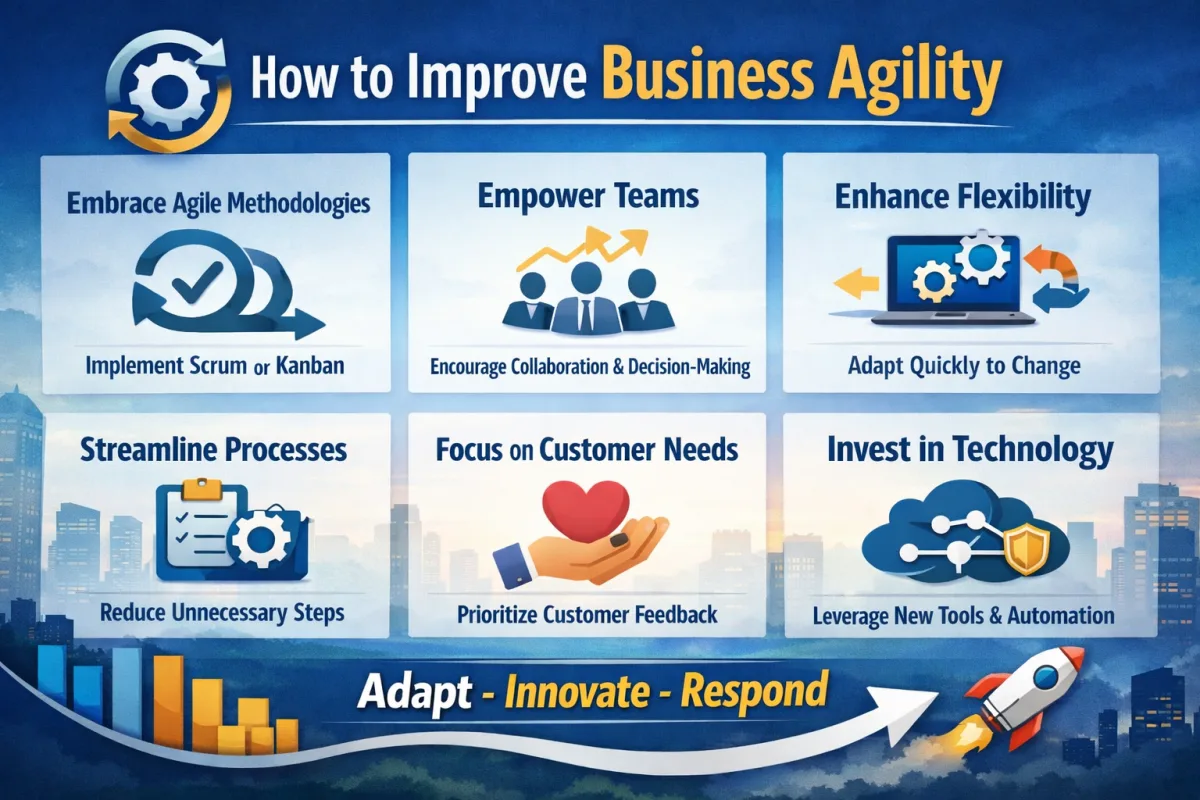
- Operational Agility: The ability to pivot quickly, whether that means retooling production, adjusting supply chains, or shifting marketing focus.
- Customer Lock-in (Value, Not Force): Create such compelling value that customers wouldn't consider leaving, rather than trapping them with restrictive contracts.
Isn't it time we moved beyond the quarterly earnings obsession and focused on building structures that truly last? That's where real competitive advantage lies.
Customer-Centricity: The Engine of Enduring Business Growth
At its core, all growth, especially sustainable growth, emanates from your customers. They are your most valuable asset. Acquiring new customers is expensive – often five to 25 times more costly than retaining an existing one, according to Harvard Business Review. This isn't just a statistic; it's a foundational truth for any business aiming for longevity.
Focusing on customer lifetime value (CLTV) rather than just initial acquisition cost shifts your perspective. It encourages investments in customer service, product quality, and ongoing engagement. Companies like Starbucks understand this deeply; their loyalty programs and personalized experiences foster a sense of belonging that transcends the simple purchase of coffee. They don't just sell drinks; they sell a daily ritual and a community experience.
Effective customer-centricity involves:
- Active Listening: Implement robust feedback loops – surveys, social media monitoring, direct conversations – and genuinely act on the insights.
- Exceptional Service: Consistently exceed expectations. A single positive service experience can turn a one-time buyer into a lifelong advocate.
- Personalization: Leverage data to offer relevant products, services, and communications that make customers feel understood and valued.
- Community Building: Create spaces, both online and offline, where customers can connect with your brand and each other.
When customers feel valued, they don't just return; they become your most powerful marketing channel, driving organic referrals and cementing your market position for years to come.
Operational Excellence and Continuous Innovation
Sustainable growth demands efficiency and foresight. You can't just grow bigger; you must grow smarter. This means constantly scrutinizing your operations for bottlenecks, waste, and opportunities for improvement. Lean methodologies, for instance, aren't just for manufacturing; they can optimize processes in service industries, software development, and even marketing departments.
Innovation isn't solely about groundbreaking new products. It's also about improving existing ones, streamlining internal workflows, and finding new ways to deliver value. Consider Adobe's shift from selling boxed software to a subscription-based Creative Cloud. This wasn't just a pricing model change; it was an operational overhaul that fostered continuous updates, better customer relationships, and incredibly stable recurring revenue. This move transformed their business model and secured their long-term viability.
To foster a culture of continuous improvement:
- Empower Employees: Give your team members the authority and resources to identify and solve problems. They're often closest to the pain points.
- Invest in Technology: Automate repetitive tasks, leverage data analytics for better decision-making, and use digital tools to enhance collaboration.
- Embrace Experimentation: Create a safe environment for testing new ideas, even if some fail. Learn from mistakes and iterate quickly.
- Regular Process Audits: Don't let "how we've always done it" become an excuse for inefficiency. Regularly review and optimize key processes.
Prudent Financial Management for Healthy Business Growth
Aggressive growth can easily become unsustainable if not backed by sound financial practices. Many companies chase market share at the expense of profitability, only to find themselves in a precarious position when funding dries up or market conditions shift. True sustainable business growth prioritizes profitability and cash flow, ensuring you have the resources to weather storms and invest strategically.
This means understanding your unit economics inside and out. Do you truly know the cost of acquiring a customer versus their lifetime value? Are your margins healthy enough to cover operational expenses, debt service, and future investments? A focus on prudent financial management also involves:
- Maintaining Healthy Profit Margins: Don't just compete on price. Build value that justifies premium pricing where possible.
- Disciplined Spending: Every dollar spent should align with your strategic goals. Avoid unnecessary overheads and lavish expenses.
- Strong Cash Reserves: Build a buffer. A healthy cash reserve provides flexibility for unforeseen challenges and strategic opportunities.
- Strategic Debt Management: Debt isn't inherently bad, but it must be managed carefully. Only take on debt that you're confident you can service, and use it for investments that will generate a clear return.
Financial health isn't about hoarding money; it's about ensuring your business has the fuel it needs to grow responsibly and withstand inevitable economic fluctuations.
What This Means For You: Building Your Blueprint
You're not just running a business; you're building an institution. Shifting towards sustainable business growth requires a conscious, continuous effort. It means moving away from a reactive stance to a proactive one, where every decision is weighed against its long-term impact.
Start by auditing your current operations. Where are you over-reliant on short-term gains? Where could you deepen customer relationships? What operational inefficiencies are draining your resources? Consider forming an internal "sustainability task force" dedicated to identifying and implementing these long-term strategies across all departments.
It's about cultivating a mindset that values resilience over speed, quality over quantity, and genuine value creation over fleeting trends. Your employees, your customers, and your balance sheet will thank you for it.
Ultimately, building sustainable business growth isn't about avoiding risk; it's about making intelligent, calculated choices that fortify your enterprise against future uncertainties. It’s a journey, not a destination, demanding constant vigilance and adaptability. Embrace this challenge, and you won't just grow; you'll thrive, creating a legacy that impacts markets and communities for generations to come.