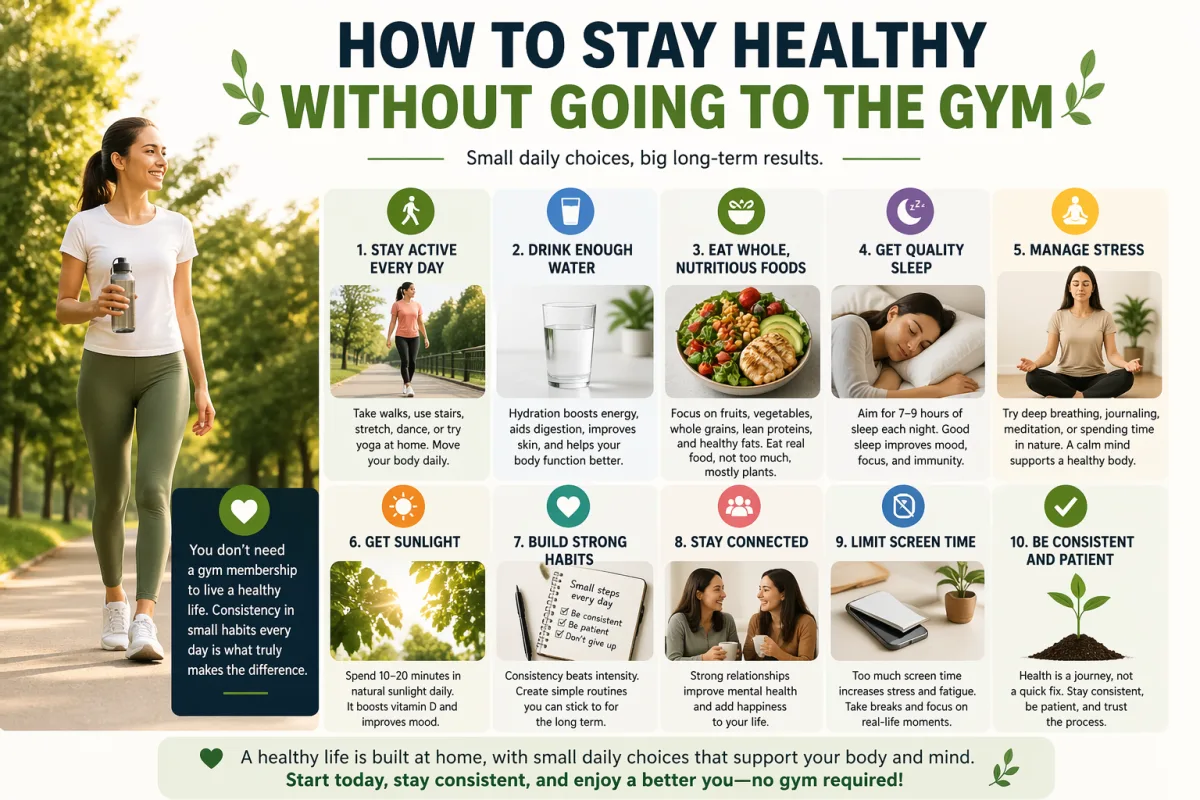
The idea that you need a gym membership and specialized equipment to be healthy is a persistent myth, one that often discourages people before they even start. You've seen the ads: glistening bodies, high-tech machines, and motivational slogans promising transformation. But what if I told you that genuine, sustainable health isn't confined to those four walls? The truth is, you absolutely can learn how to stay healthy without going to the gym, integrating effective strategies into your daily life that are both accessible and incredibly powerful. This isn't about finding shortcuts; it's about reclaiming a holistic approach to well-being that prioritizes consistent effort over a specific location.
Reclaim Your Movement: Staying Healthy Outside the Gym
Movement is fundamental to human health, and our ancestors certainly didn't have treadmills. Our bodies are designed to move frequently, not just for an hour a day in a dedicated facility. The key to staying healthy without a gym often lies in reframing "exercise" as "movement" and integrating it into your everyday routine.
Think about activities that get your heart rate up and engage your muscles without feeling like a chore. Walking, for instance, is a profoundly underrated exercise. A brisk 30-minute walk can improve cardiovascular health, boost mood, and even help manage weight. The American Heart Association recommends at least 150 minutes of moderate-intensity aerobic activity per week, and a significant portion of that can easily come from walking, hiking, or cycling in your neighborhood.
Don't underestimate the power of simple bodyweight exercises either. Push-ups, squats, lunges, and planks are incredibly effective for building strength and endurance. You can do them anywhere, anytime. Set small goals, like 10 minutes of bodyweight exercises in the morning, or taking the stairs instead of the elevator. These small shifts accumulate into significant health benefits over time.
The 10,000 Steps Goal: A Practical Benchmark
The 10,000 steps per day goal has become a popular metric, and while its origin isn't purely scientific (it came from a Japanese pedometer company in the 1960s), it serves as an excellent, tangible target for increasing daily activity. Studies have consistently shown that people who walk more steps generally have lower risks of cardiovascular disease, type 2 diabetes, and certain cancers. It's an accessible way to ensure you're moving enough, regardless of whether you hit a gym.
How do you achieve 10,000 steps without a gym? Park further away, take a walk during your lunch break, opt for stairs, or simply go for an evening stroll with family or friends. A fitness tracker can be a great motivator, providing real-time feedback on your progress and encouraging you to move more. It's about making conscious choices to weave movement into the fabric of your day.
Fueling Your Body: Nutrition for Non-Gym Goers
You can't out-exercise a bad diet, and this holds true whether you go to the gym or not. Nutrition is arguably the most critical pillar of health. Focusing on whole, unprocessed foods is your best strategy. This means prioritizing fruits, vegetables, lean proteins, and healthy fats.
Consider your plate: fill half of it with colorful vegetables, a quarter with lean protein (chicken, fish, beans, tofu), and the remaining quarter with complex carbohydrates (quinoa, brown rice, sweet potatoes). This balanced approach ensures you're getting essential nutrients, fiber, and sustained energy without relying on calorie counting or restrictive diets.
Hydration is another non-negotiable. Often mistaken for hunger, thirst can lead to unnecessary snacking. Aim for at least eight glasses of water daily, more if you're active or in a hot climate. Keep a water bottle handy and sip throughout the day. Your body will thank you, and you'll likely find yourself feeling more energetic and focused.
Mastering Your Metabolism and Mood: The Power of Sleep & Stress Management
Physical activity and good nutrition are only part of the equation. Sleep and stress management play equally vital roles in maintaining optimal health, regardless of your fitness routine. Skimping on sleep can disrupt hormones that regulate appetite, leading to increased cravings and weight gain. It also impairs cognitive function and weakens your immune system.
Most adults need 7-9 hours of quality sleep per night. Establish a consistent sleep schedule, even on weekends. Create a relaxing bedtime routine: dim the lights, avoid screens an hour before bed, and consider a warm bath or reading a book. Your body repairs itself during sleep, and neglecting it undermines all your other health efforts.
Chronic stress, too, wreaks havoc on your system. It can elevate cortisol levels, contributing to abdominal fat, increased inflammation, and a higher risk of chronic diseases. Finding healthy ways to manage stress is crucial. This could be mindfulness meditation, deep breathing exercises, spending time in nature, pursuing a hobby, or connecting with loved ones. It's about finding what brings you peace and incorporating it regularly.
Mind-Body Connection: Mental Wellness for Holistic Health
Physical health and mental health are inextricably linked. You can't truly be healthy if one is neglected. While physical activity often boosts mood, dedicating time to specific mental wellness practices is just as important, especially when you're focusing on a comprehensive approach to how to stay healthy without going to the gym.
Practices like journaling can help process thoughts and emotions. Developing gratitude, by regularly noting things you're thankful for, can shift your perspective towards positivity. Engaging in hobbies that stimulate your mind, like learning a new language or playing a musical instrument, keeps your brain sharp and provides a sense of accomplishment.
Social connection is another powerful antidepressant and stress reducer. Make an effort to connect with friends and family, either in person or virtually. Strong social bonds are correlated with longer, healthier lives. Don't isolate yourself; seek out opportunities for meaningful interaction.
What This Means For You: Building Sustainable Habits
Here's the practical takeaway: staying healthy without a gym isn't about grand gestures; it's about consistent, small choices that compound over time. It's about understanding that your body is your gym, your kitchen is your nutritionist, and your mind is your greatest wellness tool. Start small. Pick one or two areas you want to improve first. Maybe it's adding a 20-minute walk to your day, or swapping out sugary drinks for water. Once that becomes a habit, layer on another.
- Movement Everywhere: Take the stairs, walk to errands, do bodyweight exercises at home.
- Smart Eating: Focus on whole foods, hydrate, and practice mindful eating.
- Prioritize Rest: Aim for 7-9 hours of quality sleep and manage stress proactively.
- Nourish Your Mind: Engage in mentally stimulating activities and foster social connections.
This approach isn't just effective; it's sustainable. It fits into your life, rather than demanding you fit your life around it. You're building a foundation of health that lasts, one conscious decision at a time.
You don't need fancy equipment, a personal trainer, or a monthly fee to unlock your best health. Your body is an incredible machine, capable of remarkable things with the right fuel, movement, and care. By embracing everyday activity, smart nutrition, restorative sleep, and mental well-being practices, you'll discover a powerful, personalized path to lasting vitality. It's time to realize that true wellness is an inside job, accessible to everyone, everywhere.