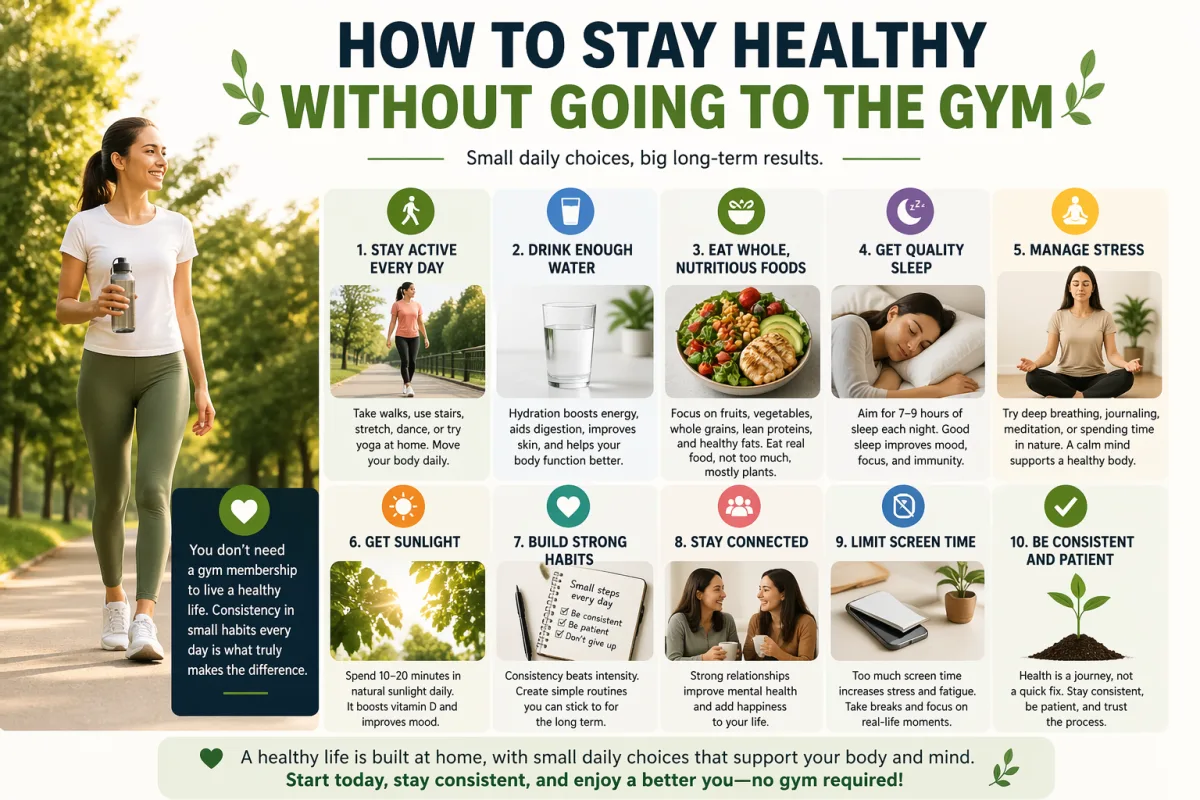
The very idea of "exercise" can feel like a chore, a scheduled block of time we struggle to fit into our already packed lives. We often picture grueling workouts, sweaty gyms, or long runs, and if that doesn't appeal, we tell ourselves we're just not "exercising." But here's the liberating truth: you don't need a dedicated workout routine to reap significant health benefits. The best ways to stay active without exercise involve weaving more movement into the fabric of your day, transforming mundane tasks into opportunities for wellness.
It's about embracing a more dynamic lifestyle, one that naturally increases your energy expenditure and improves your physical and mental well-being without ever stepping foot on a treadmill. Forget the pressure of hitting specific fitness goals; let's talk about how you can become an active, vibrant person just by tweaking your habits.
Embrace NEAT: Your Secret Weapon to Stay Active
You've probably heard of calories burned during formal exercise, but what about the energy you expend just living your life? That's Non-Exercise Activity Thermogenesis, or NEAT, and it's a game-changer. NEAT encompasses all the energy we use for everything that isn't sleeping, eating, or sports-like exercise. Think fidgeting, walking to your car, standing while talking on the phone, doing household chores, or even tapping your foot.
Studies have shown that NEAT can account for a significant portion of daily calorie expenditure, sometimes even more than structured exercise for individuals with sedentary jobs. For example, a 2008 study published in the journal Science highlighted how spontaneous physical activity plays a crucial role in preventing weight gain. It's not about being restless; it's about being less still.
- Take the stairs: This classic tip is effective for a reason. Each flight adds a quick burst of activity.
- Park further away: A few extra minutes of walking from your car to your destination adds up over the week.
- Stand more: If you're on the phone, stand up and pace. If you're watching TV, try standing during commercials.
- Fidgeting is your friend: Small movements like tapping your feet or shifting in your chair contribute to NEAT.
Transform Your Workspace: Staying Active While You Work
For many of us, work means sitting. Hours spent at a desk can negate the benefits of a morning workout, contributing to a host of health issues, from back pain to metabolic syndrome. But your office doesn't have to be a sedentary trap. You can subtly integrate movement throughout your workday to stay active.
Consider a standing desk, even an inexpensive converter for your existing desk. Alternating between sitting and standing every 30-60 minutes can make a world of difference. You'll notice improved focus and less stiffness by the end of the day. A 2018 review in the British Journal of Sports Medicine concluded that standing desks are an effective way to reduce sitting time in the workplace.
The Power of the Micro-Break
You don't need a full lunch break to move. Short, frequent breaks are incredibly effective. Set a timer for every 30-60 minutes and dedicate just 2-5 minutes to movement.
- Walk and talk: Instead of emailing a colleague, walk over to their desk. If you're on a call, take it while walking around your office or home.
- Stretch it out: Simple desk stretches for your neck, shoulders, and back can relieve tension and get blood flowing. Look up some easy yoga poses you can do standing.
- Hydrate frequently: Drinking more water means more trips to the water cooler or restroom, creating natural opportunities to walk.
- Active commuting: If feasible, bike or walk part or all of your commute. Even getting off a stop early on public transport can add significant steps.
Household Hacks: Turning Chores into Calorie Burners
Who said chores were boring? They're an incredible, often overlooked, source of physical activity. Instead of viewing them as obligations, reframe them as functional movement. You're not just cleaning your house; you're engaging your muscles, elevating your heart rate, and improving your physical capacity.
Think about the vigorous actions involved in cleaning. Scrubbing the shower, vacuuming, mopping floors, or washing windows all require full-body movement. Gardening, too, offers a fantastic blend of cardio, strength, and flexibility as you dig, weed, plant, and carry. You're building a healthier body and a cleaner, more beautiful living space simultaneously.
- Pump up the music: Turn on your favorite upbeat playlist while cleaning. You'll naturally move with more energy and enthusiasm.
- Speed cleaning: Challenge yourself to clean a room thoroughly in a set amount of time. The increased pace will boost your heart rate.
- Gardening glory: Spend time tending to your garden. Lifting bags of soil, raking leaves, or digging beds are excellent full-body activities.
- DIY projects: Home improvement tasks like painting, reorganizing, or assembling furniture involve varied movements and can be surprisingly physical.
Connect with Nature: Outdoorsy Ways to Get Moving
Getting outside is a fantastic way to boost your activity levels without feeling like you're "exercising." The fresh air and natural surroundings can make movement more enjoyable and less like a task. Whether you live in a bustling city or near sprawling natural landscapes, opportunities abound.
Instead of meeting friends for coffee, suggest a walk in a local park or along a scenic path. Explore your neighborhood on foot. Take your dog for longer, more frequent walks – they'll love it, and so will your body. Even something as simple as taking a leisurely stroll after dinner can significantly contribute to your daily activity.
A recent study from the University of East Anglia found that spending time in nature is associated with a host of health benefits, including reduced blood pressure, lower heart rate, and decreased risk of type 2 diabetes and cardiovascular disease. You're not just moving; you're also improving your mental well-being.
Play Your Way to Being Active
When did we stop playing? As adults, we often replace spontaneous, joyful movement with structured routines. But playing is one of the most natural and effective ways to stay active. It doesn't feel like exercise because it's fun.
Do you have kids or pets? Engage with them actively. Chase your children around the yard, play tag, or throw a frisbee. Take your dog to a park and run with them. If you don't have kids or pets, think about activities you enjoyed as a child. Did you love dancing? Put on some music and just move. Did you enjoy throwing a ball around? Find a friend and play catch.
Consider joining a social group that involves movement, like a recreational sports league (even if it's just casual), a hiking club, or a dance class that focuses on fun over technique. When movement is tied to enjoyment and social connection, you're far more likely to stick with it.
What This Means for You
The core message is simple: small changes create big results. You don't need to overhaul your entire life or dedicate hours to the gym. Instead, look for micro-opportunities to move more throughout your day. These seemingly insignificant moments of activity accumulate, providing substantial health benefits over time.
Start by identifying one or two areas where you can easily add more movement. Perhaps it's committing to taking the stairs or standing for 10 minutes every hour at work. Once those become habits, layer on another change. This gradual approach makes it sustainable and less daunting. Your body is designed to move, and by listening to that innate need, you'll naturally feel more energized, sleep better, and improve your overall health.
Don't underestimate the power of these seemingly minor shifts. They’re not just about burning calories; they’re about cultivating a lifestyle where movement is second nature, deeply integrated into your daily rhythm. You're not avoiding exercise; you're redefining what it means to be active, living a healthier, more vibrant life one mindful movement at a time.