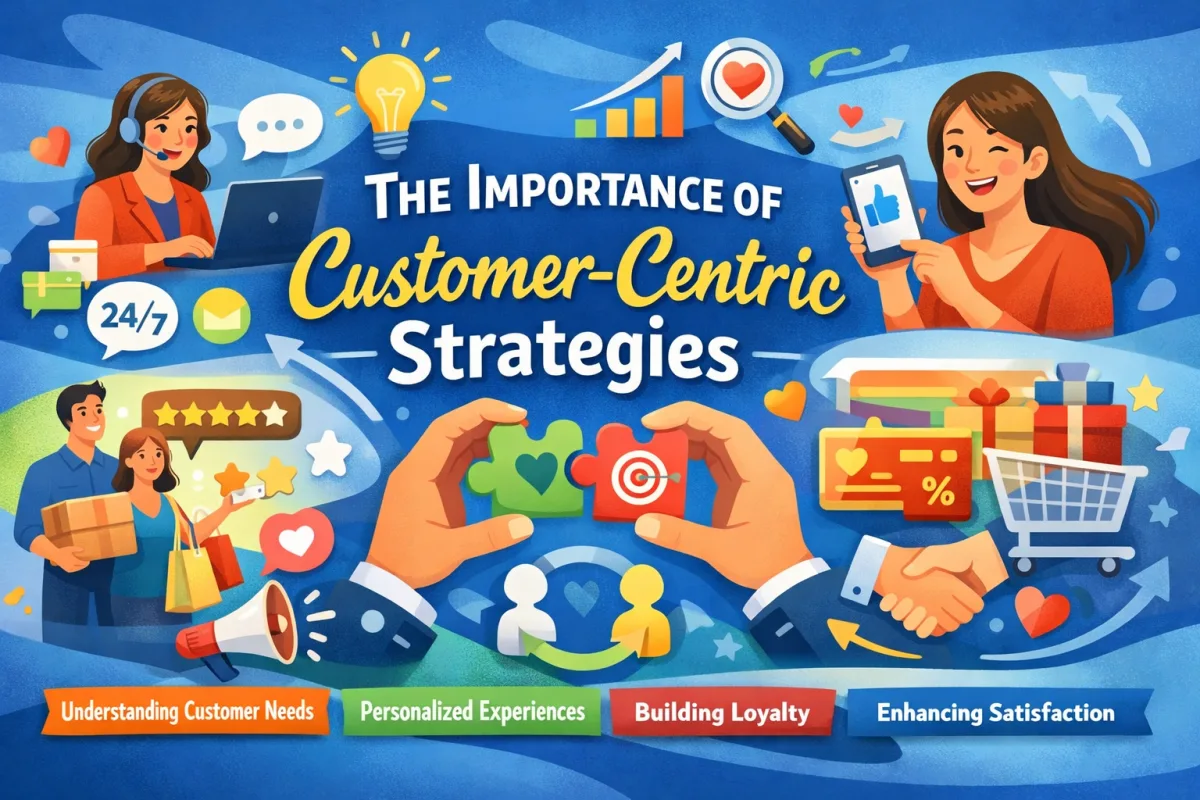
In a marketplace overflowing with options, where consumers hold unprecedented power, businesses face a stark choice: adapt or be left behind. The companies that thrive aren't just selling products or services; they're selling experiences, solutions, and relationships. This fundamental shift underscores the undeniable importance of customer-centric strategies. It’s no longer about what you want to sell, but what your customers truly need and how they want to buy it. Embracing a customer-first philosophy isn't just a nice-to-have; it's the bedrock of sustainable growth, robust brand loyalty, and enduring competitive advantage.
The Foundation of Lasting Loyalty: Why Customer-Centricity Matters
At its core, a customer-centric strategy means placing the customer at the heart of every business decision. This isn't just about good service; it's about understanding their needs, anticipating their desires, and proactively shaping every interaction to create value for them. When you consistently deliver value and positive experiences, you don't just make sales; you build relationships.
Think about Amazon. Their relentless focus on customer convenience, from one-click ordering to personalized recommendations and hassle-free returns, transformed retail. They didn't just sell books; they redefined shopping by putting the customer's journey first. This deep understanding fosters loyalty that transcends price points and temporary market shifts. Loyal customers aren't just repeat buyers; they're brand advocates, spreading positive word-of-mouth that no marketing budget can buy.
Driving Revenue and Retention Through a Customer-First Approach
The financial benefits of prioritizing the customer are compelling and quantifiable. Research consistently shows that businesses with strong customer-centric strategies outperform their competitors in profitability and revenue growth. A study by Deloitte and Touche found that customer-centric companies were 60% more profitable than companies that weren’t.
Why such a significant difference? It boils down to a few key factors:
- Increased Customer Lifetime Value (CLTV): Satisfied customers stay longer and spend more over time. They're less likely to churn and more likely to upgrade or purchase additional products.
- Reduced Acquisition Costs: Loyal customers often become brand ambassadors, referring new business through organic channels. This significantly lowers the cost of acquiring new clients compared to traditional marketing.
- Higher Retention Rates: It's far cheaper to retain an existing customer than to acquire a new one. A strong customer focus reduces churn, directly impacting your bottom line.
- Premium Pricing Potential: Customers are often willing to pay more for superior experiences and personalized service. Think of brands like Apple or Starbucks; their strong customer connection allows them to command higher prices.
These aren't abstract concepts; they're direct drivers of financial health. Ignoring the customer means leaving money on the table, plain and simple.
Operationalizing Customer-Centric Strategies: From Vision to Execution
Translating a customer-centric vision into actionable strategies requires more than just good intentions; it demands a fundamental shift in operations and culture. Every department, from product development to marketing, sales, and support, must align around the customer journey.
It starts with deep customer understanding. Companies need robust mechanisms to listen to their customers—surveys, feedback loops, social media monitoring, and direct engagement. This data isn't just for reporting; it drives product enhancements, service improvements, and marketing messages that resonate.
Empowering Frontline Teams
Your frontline employees are often the face of your customer-centric strategy. They're the ones directly interacting with customers, solving problems, and building relationships. Empowering these teams means providing them with the necessary training, tools, and autonomy to make decisions that benefit the customer. Zappos, famed for its exceptional customer service, famously empowers its call center employees to spend as much time as needed with a customer, even if it means helping them find a shoe at a competitor's store. This level of trust in employees translates directly into customer satisfaction and loyalty.
It’s about moving away from rigid scripts and towards a culture where employees feel equipped and encouraged to go the extra mile. When employees feel valued and trusted, they're more likely to extend that same care and commitment to your customers.
The Data-Driven Imperative: Understanding Your Customer Deeply
You can't be truly customer-centric without understanding your customers. This means leveraging data to create comprehensive customer profiles, identify pain points, and predict future needs. Modern businesses have access to an incredible wealth of information, from purchase history and website behavior to social media interactions and feedback forms.
Effective data utilization allows for:
- Personalization: Tailoring products, services, and communications to individual preferences. Netflix's recommendation engine, for example, keeps users engaged by suggesting content highly relevant to their viewing habits.
- Proactive Problem Solving: Identifying potential issues before they escalate, such as predicting churn risk or anticipating service needs.
- Optimized Journeys: Mapping the customer journey and pinpointing areas for improvement, streamlining processes, and removing friction points.
- Targeted Innovation: Developing new products or features based on real customer demand, reducing the risk of launching something nobody wants.
Ignoring this data is akin to flying blind. It's the fuel that powers genuinely customer-focused initiatives and ensures that your efforts are hitting the mark.
What This Means For Your Business
For any business looking to thrive in the long term, adopting a customer-centric approach isn't optional; it's fundamental. It requires a strategic commitment from leadership, a cultural shift across all departments, and a continuous investment in understanding and serving your audience. Start by listening intently to your customers, empowering your teams, and using data to inform every decision. Are you truly putting your customer first, or are they an afterthought?
Here are actionable steps you can take:
- **Map the Customer Journey:** Understand every touchpoint a customer has with your brand.
- **Gather Feedback Relentlessly:** Implement surveys, feedback forms, and direct communication channels.
- **Empower Frontline Employees:** Give them the tools and autonomy to resolve customer issues effectively.
- **Invest in Data Analytics:** Use insights to personalize experiences and anticipate needs.
- **Align All Departments:** Ensure marketing, sales, product, and support work together towards a common customer goal.
These steps aren't quick fixes, but they lay the groundwork for a resilient business model built on genuine customer relationships.
Building an Empathy-Driven Culture
Ultimately, the importance of customer-centric strategies boils down to empathy. It's about seeing your business through the eyes of your customers, understanding their challenges, and celebrating their successes. When every employee, from the CEO to the newest hire, genuinely cares about the customer's experience, it creates a powerful ripple effect. This isn't just good business; it's smart business. It fosters an environment where innovation is customer-led, service is exceptional, and loyalty becomes an unbreakable bond. Build a business that truly listens, truly understands, and truly cares, and you'll build one that lasts.