You're probably familiar with that sluggish, heavy feeling after a long day, or the frustrating inability to focus when deadlines loom. Many of us attribute these moments to stress, lack of sleep, or an overly demanding schedule. But what if a simpler, often overlooked factor plays a much bigger role in your daily mental sharpness? We’re talking about water, and the link between hydration and brain performance is more profound than you might realize.
It's not just about quenching your thirst; it's about powering the most complex organ in your body. Your brain, a marvel of biological engineering, relies heavily on consistent fluid intake to function at its best. Neglecting your water bottle isn't just a minor oversight; it's a direct pathway to diminished cognitive abilities, impacting everything from your memory to your mood. Let's dive into how something so fundamental can have such a monumental impact on your mind.
The Science Behind the Sip: How Water Powers Your Brain
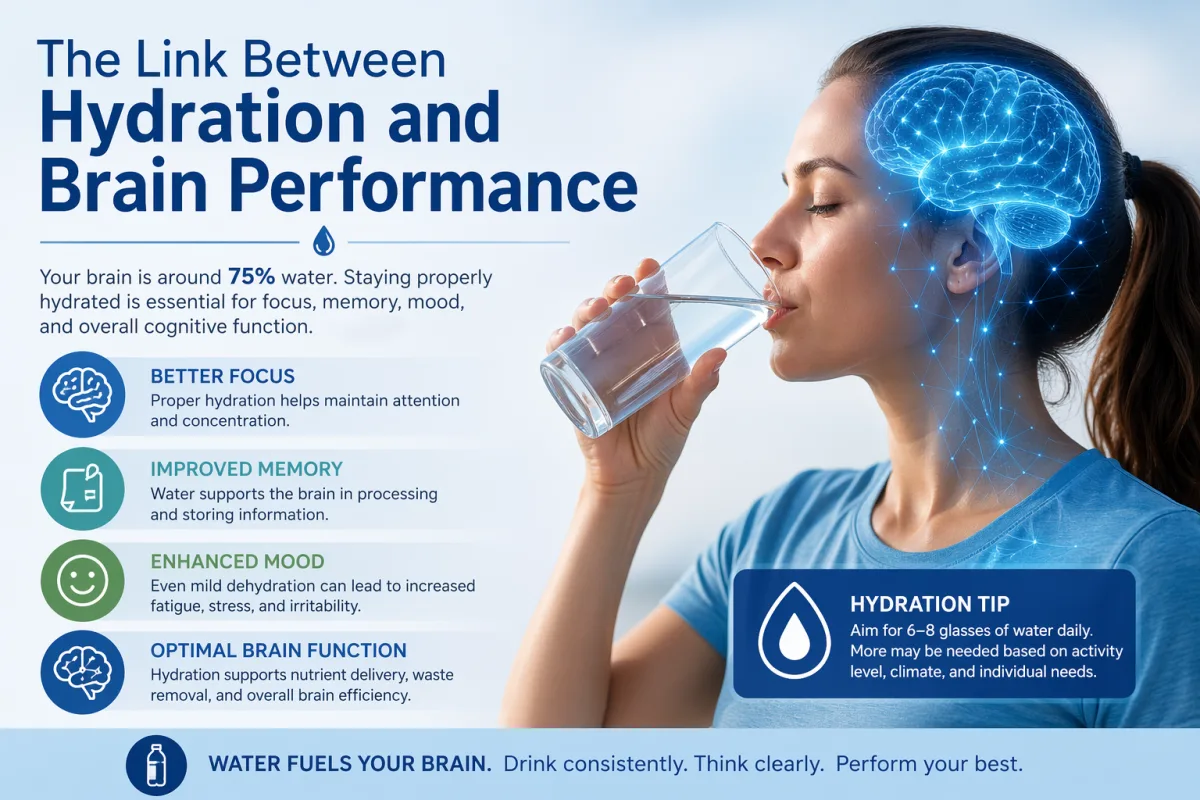
Think of your brain as a high-performance engine. Just like an engine needs oil and coolant to run smoothly, your brain needs water. It's not an exaggeration to say that water is fundamental to brain structure and function. Your brain is approximately 75% water, making it one of the most water-dense organs in your body. This isn't just a static measurement; it's a dynamic environment where water facilitates countless critical processes.
Water acts as a vital transport system, carrying essential nutrients, oxygen, and electrolytes to brain cells. It also plays a crucial role in flushing out metabolic waste products that can accumulate and impair neural activity. Without adequate water, these vital functions slow down, much like a clogged pipe. Neurotransmitters, the chemical messengers that allow brain cells to communicate, also rely on water for their synthesis and transport. When you're well-hydrated, these communications happen smoothly, ensuring clear thoughts and quick responses.
Dehydration's Drain: What Happens to Your Cognitive Abilities?
Even mild dehydration can significantly impair your cognitive function. You don't need to be parched in a desert to feel the effects; a mere 1-2% drop in body weight due to fluid loss can trigger noticeable changes. This isn't just about feeling thirsty; it's about measurable declines in mental performance.
Research consistently shows that inadequate hydration can lead to a host of cognitive impairments. Studies, including those published in journals like the Journal of Nutrition, have demonstrated links between dehydration and reduced alertness, slower reaction times, and difficulty concentrating. Imagine trying to solve a complex problem or recall a specific detail when your brain is literally struggling for the resources it needs. That's the reality of a dehydrated mind.
Even Mild Dehydration Matters
Many people assume they're fine if they don't feel acutely thirsty. However, the subtle effects of mild dehydration often go unnoticed, yet they chip away at your mental edge throughout the day. You might experience a headache, a feeling of fatigue, or an unexplained irritability. These are often early warning signs that your brain isn't getting enough water.
Consider a study from the University of Connecticut's Human Performance Laboratory. Researchers found that women experiencing mild dehydration (around 1.36% fluid loss) reported impaired mood, increased perception of task difficulty, and symptoms like headaches and fatigue. Men, at a similar level of dehydration (1.59% fluid loss), also experienced declines in working memory and increased anxiety and tension. These aren't just minor inconveniences; they're significant impediments to your daily productivity and well-being.
Hydration and Mental Clarity: Boosting Focus and Memory
On the flip side, maintaining optimal hydration levels can dramatically enhance your mental clarity, focus, and memory. When your brain has all the water it needs, it operates like a finely tuned machine, capable of processing information efficiently and sustaining attention for longer periods. This translates directly into better performance in academic, professional, and personal tasks.
Think about those moments when you feel "in the zone" – highly focused, productive, and sharp. It's very likely you were also well-hydrated. Proper fluid intake helps maintain the brain's electrolyte balance, which is crucial for nerve signal transmission. It ensures that oxygen and glucose, the brain's primary fuel sources, are delivered effectively. This enhanced delivery means your neurons fire optimally, supporting complex cognitive processes like problem-solving, decision-making, and long-term memory consolidation.
Beyond Water: Electrolytes and Brain Function
While water is the star of the show, it's important to briefly acknowledge its supporting cast: electrolytes. These essential minerals – such as sodium, potassium, magnesium, and calcium – carry an electric charge when dissolved in body fluids. They play a pivotal role in maintaining proper fluid balance both inside and outside cells, including brain cells.
Electrolytes are critical for nerve impulse transmission, muscle function, and overall cellular communication. An imbalance in electrolytes, often exacerbated by severe dehydration, can disrupt these processes, leading to confusion, weakness, and even more serious neurological issues. While most people get sufficient electrolytes from a balanced diet, it's a reminder that hydration isn't just about water volume; it's also about maintaining the right balance of dissolved substances within that water.
What This Means For You: Practical Hydration Strategies for Optimal Brain Performance
Understanding the vital link between hydration and brain performance is one thing; putting it into practice is another. How can you ensure your brain consistently gets the water it needs to thrive? It's simpler than you think, and small changes can yield significant cognitive benefits.
Here are some actionable strategies:
- Make it a Habit: Don't wait until you're thirsty. Thirst is often a sign that you're already slightly dehydrated. Sip water consistently throughout the day.
- Carry a Water Bottle: Keep a reusable water bottle with you at all times – at your desk, in your car, during errands. Visual cues are powerful reminders.
- Set Reminders: Use your phone or a smart device to set hourly reminders to drink water. Many apps can help you track your intake.
- Incorporate Water-Rich Foods: Foods like cucumbers, watermelon, oranges, and strawberries have high water content and contribute to your daily fluid intake.
- Start Your Day Hydrated: Drink a glass of water first thing in the morning to rehydrate after sleep and kickstart your brain.
- Monitor Urine Color: A light yellow or clear urine color indicates good hydration. Darker urine suggests you need more fluids.
Are you truly giving your brain the consistent support it deserves? Prioritizing hydration isn't just another health trend; it's a foundational pillar of cognitive excellence and overall well-being. It's an investment in your mental clarity, your memory, and your ability to navigate the complexities of daily life with ease.
The profound connection between how much water you drink and how well your brain performs is undeniable. It's a simple, cost-effective, and incredibly powerful tool at your disposal. By consciously choosing to stay adequately hydrated, you're not just quenching thirst; you're fueling your intellect, sharpening your focus, and unlocking your brain's full, vibrant potential. Make hydration a non-negotiable part of your daily routine, and watch your mental performance transform.