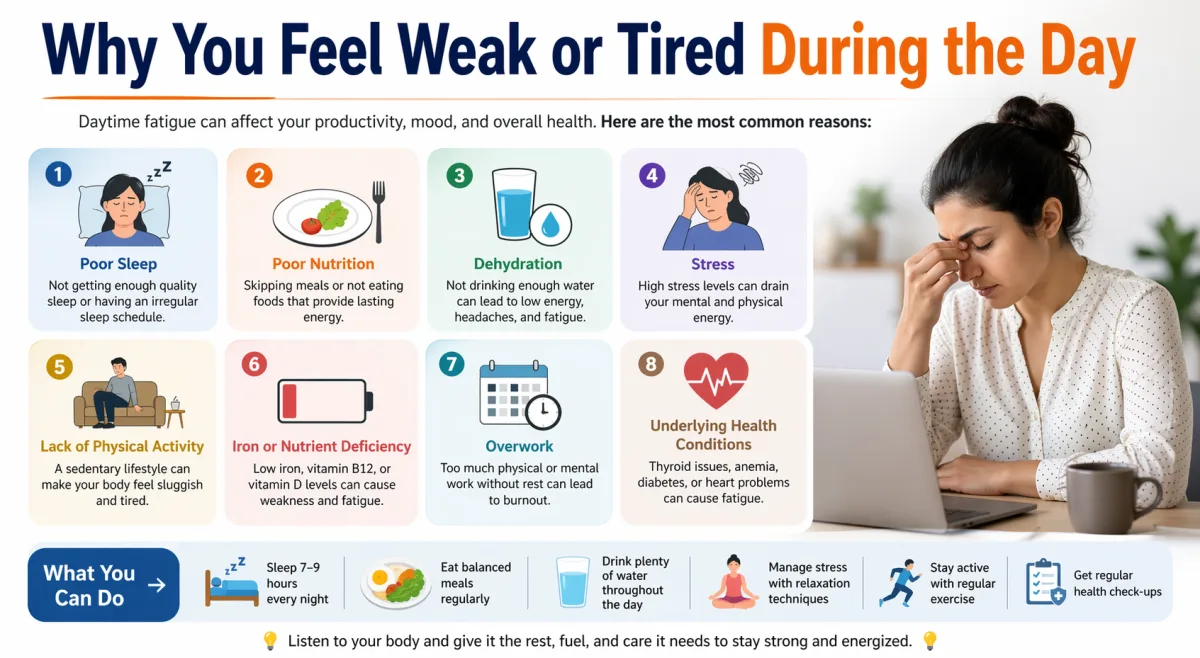
That mid-afternoon slump, the struggle to get out of bed, the constant desire for a nap – it's a familiar feeling for far too many of us. You're not alone if you often find yourself asking, "Why do I feel weak or tired during the day?" It's a pervasive issue that impacts productivity, mood, and overall quality of life. While it's easy to blame a late night or a particularly busy week, the truth is often more complex. Your daily energy levels are a delicate balance influenced by a myriad of factors, many of which you might not even consider. Let's pull back the curtain on the real reasons behind your persistent fatigue and explore how you can reclaim your vitality.
The Hidden Truth About Your Sleep Quality
When you feel weak or tired during the day, the first culprit most people point to is a lack of sleep. And yes, insufficient sleep is a major factor. However, it's not just about the number of hours you clock; it's profoundly about the quality of that sleep. Eight hours of fragmented, restless sleep isn't nearly as restorative as six hours of deep, uninterrupted rest. Many of us unknowingly sabotage our sleep quality through poor habits.
Think about your nightly routine. Do you scroll on your phone right up until you close your eyes? The blue light emitted from screens suppresses melatonin production, making it harder to fall into a deep sleep. Is your bedroom a sanctuary of darkness and quiet, or is it cluttered, too warm, or filled with ambient light? Even seemingly minor disturbances can prevent you from reaching the crucial REM and deep sleep stages, leaving you feeling groggy and unrefreshed the next morning. Chronic sleep debt, where you consistently get less sleep than your body needs, compounds over time, leading to persistent daytime weakness and fatigue that no amount of coffee can truly fix. In fact, research shows that nearly one-third of American adults report getting less than the recommended amount of sleep.
Beyond the Quantity: Sleep Apnea and Restless Legs
Sometimes, the issue isn't just behavioral. Underlying sleep disorders can severely compromise rest. Sleep apnea, for instance, causes repeated pauses in breathing throughout the night, leading to micro-awakenings you might not even remember. These constant interruptions prevent your body from achieving deep, restorative sleep. Similarly, restless legs syndrome, characterized by an uncontrollable urge to move your legs, can make it incredibly difficult to fall and stay asleep. If you're consistently exhausted despite believing you're getting enough shut-eye, it's worth discussing these possibilities with a doctor. They can significantly explain why you feel weak or tired during the day.
Your Plate and Your Energy: Dietary Culprits Behind Weakness and Tiredness
What you eat, and perhaps more importantly, what you don't eat, plays a colossal role in your daily energy levels. It's not just about avoiding junk food; it's about providing your body with a steady, reliable source of fuel. Quick fixes like sugary snacks or highly refined carbohydrates offer a rapid energy spike, but they're inevitably followed by a crash. This blood sugar rollercoaster is a primary reason many people experience significant weakness and tiredness mid-day.
Consider the impact of skipping meals, especially breakfast. Your body needs fuel to kickstart its metabolism and sustain you through the morning. Going too long without eating can lead to low blood sugar (hypoglycemia), resulting in dizziness, irritability, and profound fatigue. Furthermore, nutrient deficiencies are silent energy saboteurs. Iron deficiency, leading to anemia, is a common cause of chronic fatigue, particularly in women. B vitamins are essential for energy metabolism, and a lack of Vitamin D can also manifest as persistent tiredness and muscle weakness. Even mild dehydration can significantly reduce your energy and cognitive function.
- Refined Carbs & Sugar: Provide quick energy, but lead to rapid crashes.
- Skipping Meals: Depletes your body's fuel reserves, causing blood sugar drops.
- Iron Deficiency: Reduces oxygen transport, leading to fatigue and weakness.
- Vitamin D Deficiency: Linked to muscle weakness and chronic tiredness.
- Lack of B Vitamins: Essential for converting food into energy.
- Dehydration: Even mild dehydration can impair mood, concentration, and energy levels.
The Invisible Burden: Stress, Mental Load, and Burnout
Our minds are powerful, and chronic mental or emotional stress can be just as draining, if not more so, than physical exertion. When you're constantly under pressure, your body is in a perpetual state of "fight or flight," releasing stress hormones like cortisol. While helpful in short bursts, sustained high levels of cortisol can disrupt sleep, impair immune function, and deplete your energy reserves, leaving you feeling weak or tired during the day, even when you haven't done anything physically demanding.
The mental load of modern life – juggling work, family, finances, and social commitments – creates a relentless cognitive drain. Decision fatigue, the exhaustion that comes from making too many choices, is a real phenomenon. Burnout, a state of emotional, physical, and mental exhaustion caused by prolonged or excessive stress, is becoming increasingly prevalent. It's characterized by feelings of low energy, cynicism toward one's job, and reduced professional efficacy. If your mind is constantly racing, worrying, or processing information, it's using up precious energy that your body needs to feel vibrant and alert.
Sedentary Lifestyles: The Paradox of Rest and Energy
It sounds counterintuitive, doesn't it? If you're tired, shouldn't you rest more? While adequate rest is crucial, a sedentary lifestyle can actually exacerbate feelings of weakness and tiredness. Our bodies are designed for movement. Regular physical activity, even moderate exercise, boosts circulation, improves cardiovascular health, and releases endorphins, which are natural mood elevators and energy boosters. When you don't move enough, your metabolism can slow down, your muscles can weaken, and your overall energy production becomes less efficient.
The "energy begets energy" principle is very real. A brisk walk or a short workout might feel like the last thing you want to do when you're drained, but it often provides a noticeable lift. Conversely, sitting for long periods can lead to muscle stiffness and poor circulation, contributing to that sluggish, fatigued feeling. Many people working office jobs experience this daily slump around 2-3 PM, often not realizing that simply standing up and moving around for a few minutes can make a significant difference in combating the urge to nap.
When It's More Than Just Tiredness: Underlying Health Conditions
While lifestyle factors account for a significant portion of daily fatigue, it's crucial to acknowledge that persistent weakness and tiredness can also be symptoms of underlying medical conditions. Don't dismiss these feelings if they're severe, unremitting, or accompanied by other concerning symptoms. Conditions such as hypothyroidism (an underactive thyroid), diabetes, chronic fatigue syndrome, fibromyalgia, and even certain heart conditions can manifest as profound, unexplained fatigue.
Depression and anxiety are also major contributors to persistent tiredness. Mental health conditions can drain your emotional and physical reserves, making even simple tasks feel overwhelming. If you've addressed lifestyle factors and still find yourself constantly battling exhaustion, it's imperative to consult with a healthcare professional. They can conduct tests to rule out medical issues and help you explore treatment options that go beyond sleep hygiene or diet adjustments.
What This Means for You: Reclaiming Your Energy
Understanding why you feel weak or tired during the day is the first step toward taking control. It's about recognizing that your energy isn't a fixed commodity, but a dynamic resource influenced by your choices and circumstances. Here's what you can do:
- Prioritize Sleep Hygiene: Create a consistent sleep schedule, make your bedroom a dark, cool sanctuary, and avoid screens an hour before bed. If sleep issues persist, talk to a doctor.
- Optimize Your Nutrition: Focus on whole, unprocessed foods. Include lean proteins, complex carbohydrates, and healthy fats in every meal to stabilize blood sugar. Stay hydrated with plenty of water. Consider a multivitamin or targeted supplements if deficiencies are suspected, but always consult a professional first.
- Manage Stress Effectively: Incorporate stress-reducing practices into your daily routine, like mindfulness, meditation, deep breathing exercises, or spending time in nature. Don't underestimate the power of saying "no" to commitments that overextend you.
- Embrace Movement: Even short bursts of physical activity throughout the day can make a difference. Take the stairs, walk during your lunch break, or stretch regularly. Aim for at least 150 minutes of moderate-intensity exercise per week.
- Listen to Your Body: Pay attention to patterns. What makes you feel more energetic? What drains you? Keep a fatigue journal to identify triggers.
- Seek Professional Guidance: If your fatigue is severe, lasts for more than a few weeks, or is accompanied by other symptoms, don't hesitate to consult your doctor. They can help diagnose and treat any underlying conditions.
Feeling weak or tired during the day doesn't have to be your normal. It's often a signal from your body that something needs attention, whether it's your sleep, your diet, your stress levels, or an underlying health concern. By actively addressing these factors, you're not just fighting fatigue; you're investing in a more vibrant, energetic, and fulfilling life. Take these insights and empower yourself to make changes that will help you feel more alert, focused, and ready to tackle whatever comes your way.