Why I Bought the Gskyer 70mm
I've always been fascinated by the night sky, but I never wanted to drop a thousand dollars on a massive, complicated telescope. A few weeks ago, I was looking for something cheap and cheerful that I could use in the backyard with my kids. That’s when I stumbled across the Gskyer 70mm Aperture Astronomical Refracting Telescope.
With tens of thousands of reviews online, it looked like the ultimate beginner option. But is it actually any good, or is it just an overpriced toy? I bought one to find out. If you’re in a rush, you can check today's price, but keep reading for my full breakdown of the pros and cons.
Unboxing and Initial Setup
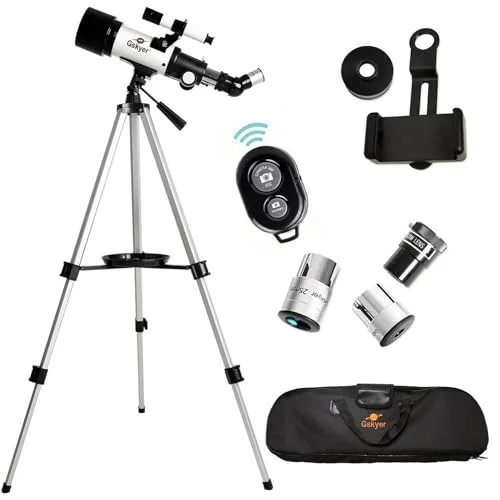
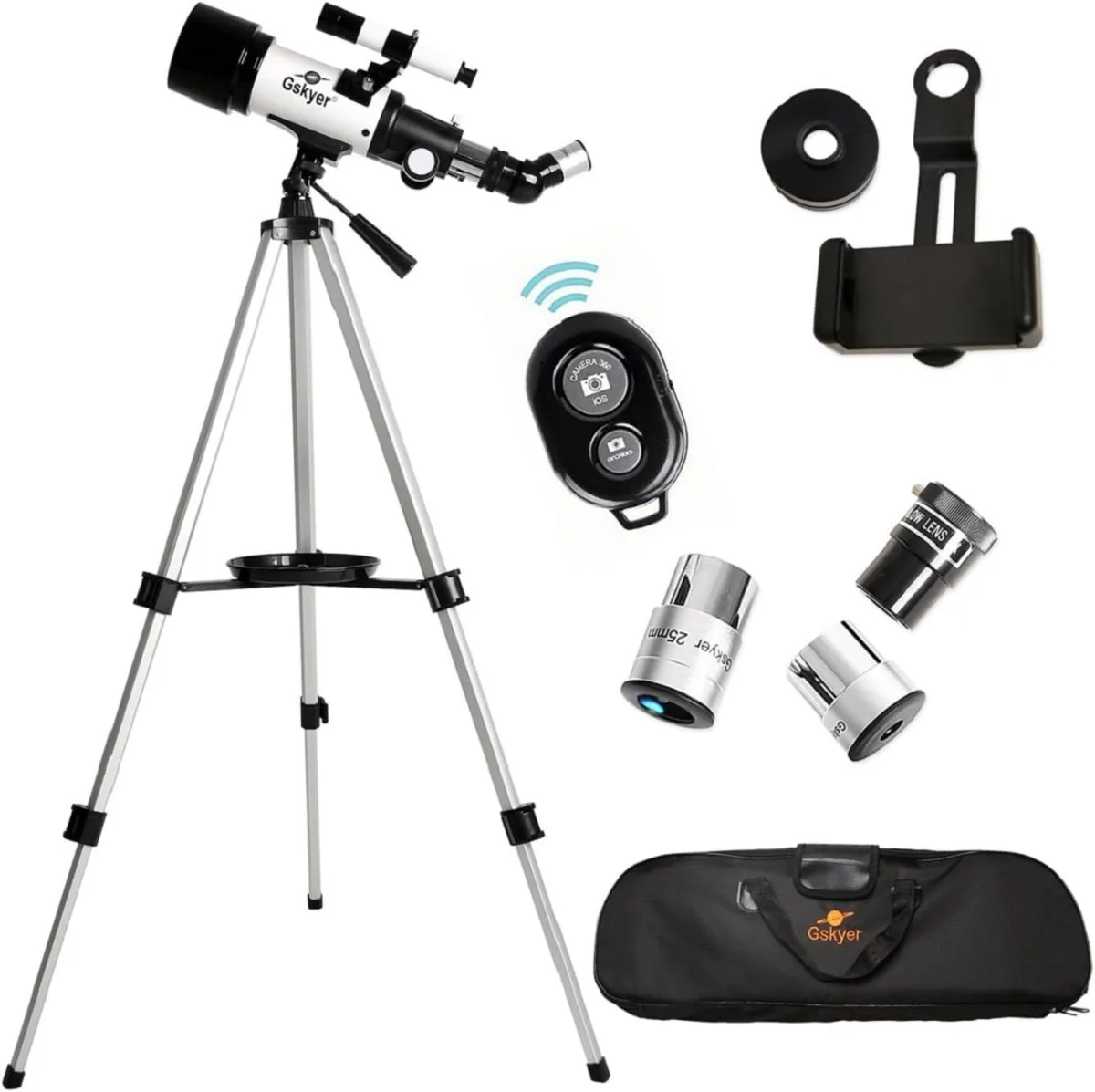
Right out of the box, I was actually pretty impressed. The telescope comes packed inside a custom-fitted carrying bag. It’s nothing luxurious—just basic canvas—but having a dedicated bag makes storing it in the closet so much easier. I also love that I can just grab the bag and throw it in the car without worrying about scratching the lenses.
Setup took me exactly five minutes, and I didn’t even look at the instructions. You just pop open the tripod, attach the main optical tube with a simple screw mechanism, slide in the diagonal mirror, and drop in your eyepiece. If you’ve never touched a telescope before, you won't feel intimidated. It really is plug-and-play.
What Can You Actually See?
Let’s set expectations right now: this is a 70mm refractor with a 400mm focal length. You are not going to see the vibrant colors of the Orion Nebula or the rings of Saturn in stunning, magazine-quality detail.
However, for lunar viewing, this thing is an absolute blast. The very first night I took it out, we pointed it at a half-moon using the included 25mm eyepiece. The craters were sharp, crisp, and incredibly detailed. My kids were completely blown away. I swapped to the 10mm eyepiece to get closer, and while the image gets a bit dimmer, the detail holds up surprisingly well.
We also managed to spot Jupiter. It looked like a bright white disc, and I could clearly see three of its Galilean moons as tiny pinpricks of light right next to it. That alone was worth the price of admission for me. If you want a fun backyard activity, you should grab it on Amazon just for the moon and bright planets.
The Good and The Bad: Accessories
Gskyer throws in a lot of extras to make this bundle appealing. Here is my honest take on them after a few weeks of use.
The Smartphone Adapter and Remote
This is a really cool idea, but it takes some patience. You strap your phone into the mount, line up the camera lens with the eyepiece, and then clamp it to the telescope. It comes with a little Bluetooth remote so you can snap photos without touching your phone and shaking the telescope. When it works, you get awesome pictures of the moon. But getting the lens perfectly aligned is seriously finicky. Expect a bit of frustration here before you get the hang of it.
The Tripod
This is my biggest gripe. The included aluminum tripod is extremely lightweight. While that makes it easy to carry, it also means it is incredibly wobbly. Just brushing your eyelashes against the eyepiece causes the whole image to shake for a few seconds. Also, it’s short. I’m 5’10", and I had to sit in a low lawn chair or put the tripod on top of a sturdy patio table to look through it comfortably without destroying my neck. If you're curious about the overall value despite the tripod, you can see what others paid to decide if it fits your budget.
Who Should Buy This
- Parents and Kids: It’s a fantastic, low-stakes way to introduce kids to astronomy without worrying about them breaking expensive gear.
- Casual Backyard Observers: If you just want to hang out on the patio and look at the moon on a clear night, this is perfect.
- Campers: Because it’s so lightweight and comes with a bag, it’s incredibly easy to pack for a camping trip away from city lights.
Who Should Skip It
- Serious Astronomy Hobbyists: The aperture is simply too small for deep-space objects like galaxies or faint nebulae.
- Astrophotographers: The mount isn't motorized to track stars, and the phone adapter is too basic for anything beyond quick moon snaps.
- Tall adults without a table: Unless you want to hunch over or sit on the ground, the short tripod will annoy you fast.
Final Verdict
I really like the Gskyer 70mm telescope for what it is: an entry-level, highly portable tool for exploring the brightest objects in the sky. It isn't perfect. The tripod is flimsy and the finder scope feels a bit cheap, but the actual optics are surprisingly clear for the money. It got my kids off their screens and staring up at the sky, which is a massive win in my book. Just keep your expectations realistic, and you'll have a great time.