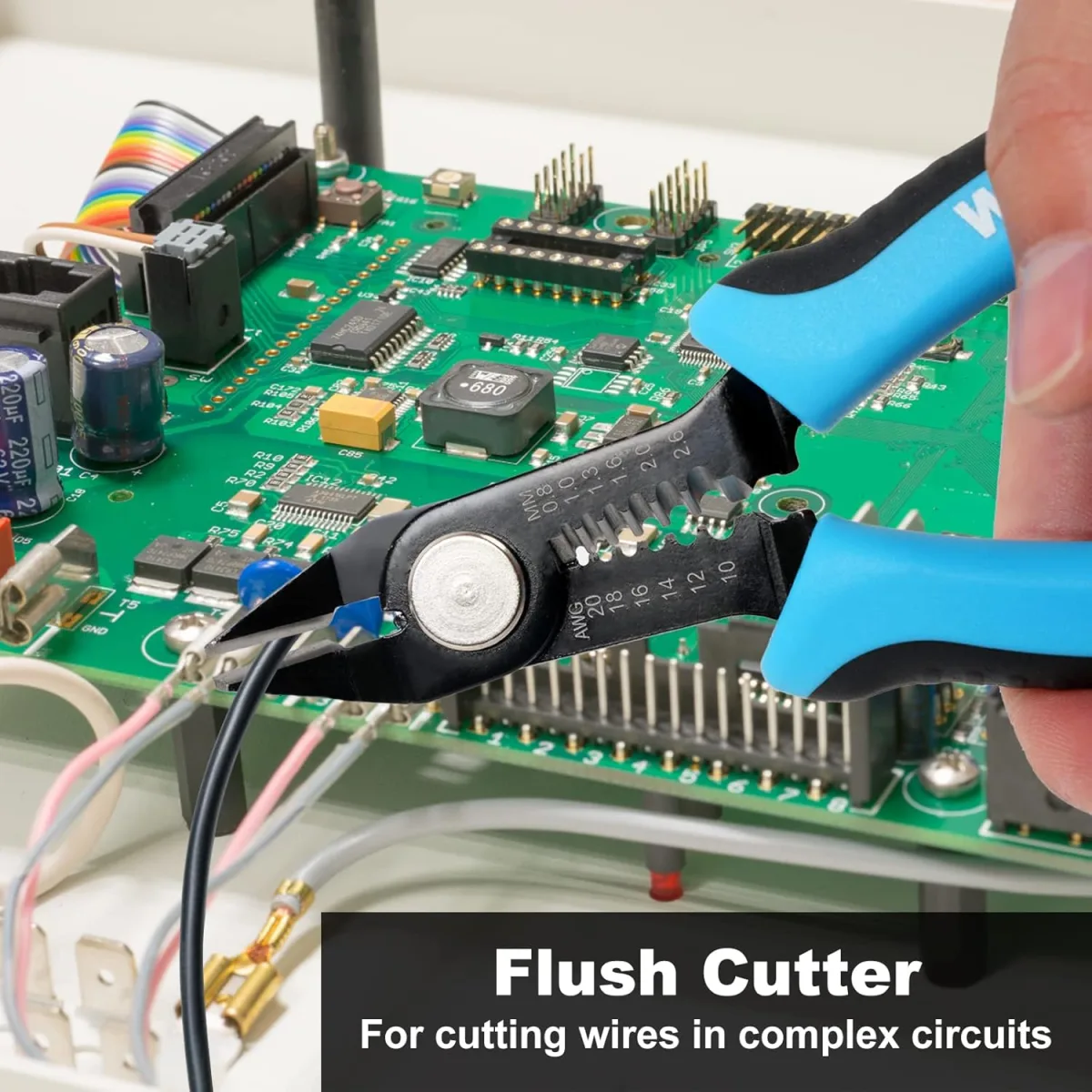
I burn through flush cutters like nobody's business. Between cleaning up 3D printing supports, snipping zip ties for cable management, and doing light soldering work on custom mechanical keyboards, my old clippers were completely chewed up and practically useless. I didn't want to spend a fortune on a premium brand if I was just going to ruin them again in a few months, so I decided to grab it on Amazon and see if the HongWay wire flush cutters could hold up to my daily workbench abuse.
After about a month of keeping these on my desk and using them for basically everything, I have some pretty clear thoughts on what they do remarkably well and where they completely fall short.
First Impressions and Build Quality
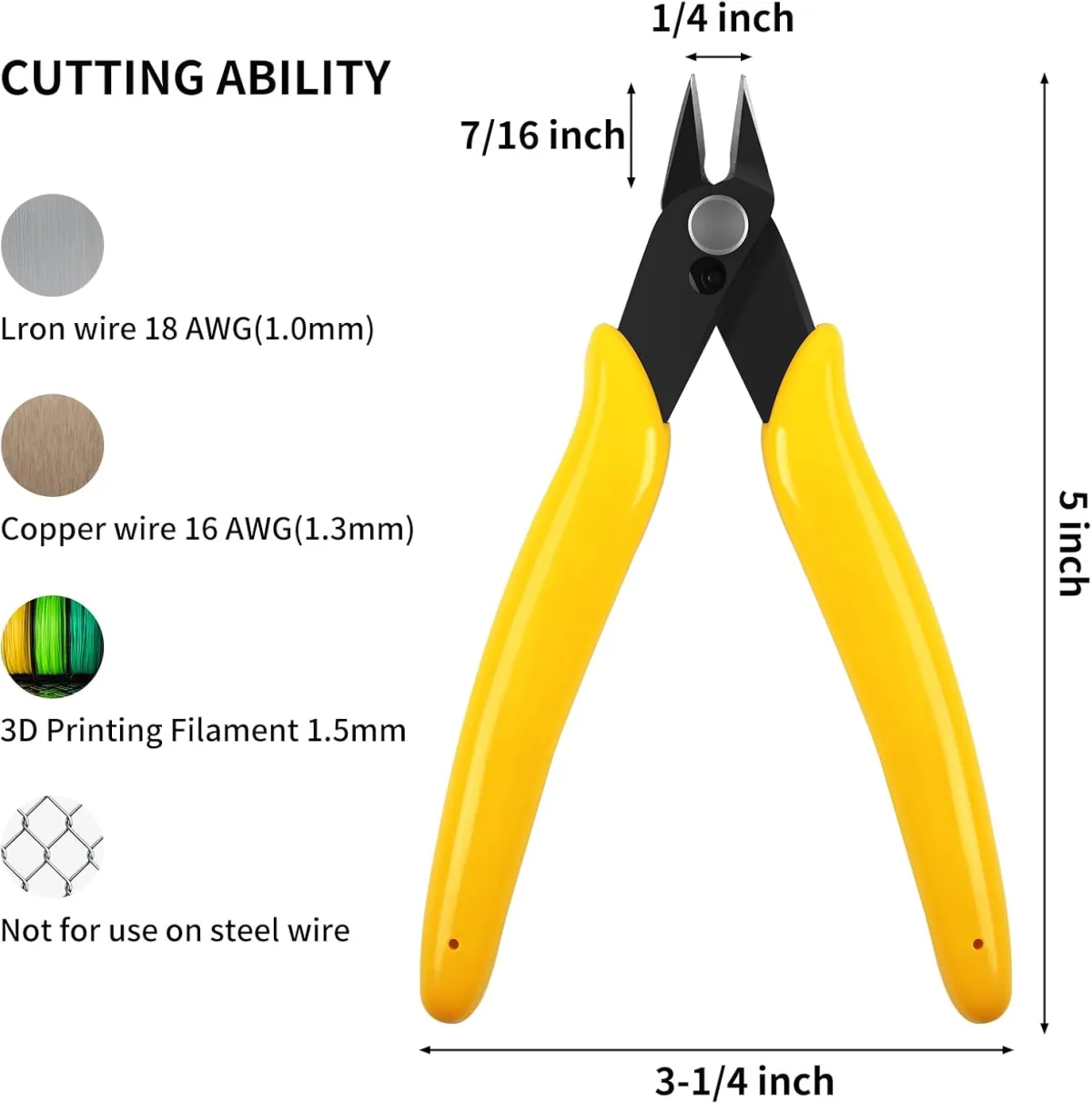
Out of the package, these feel surprisingly decent in the hand. They are compact—about five inches long—which makes them incredibly easy to maneuver into tight spaces. If you've ever tried to snip a rogue wire inside a cramped PC case, you know exactly why a small profile matters. The rubberized grips are comfortable and don't slip out of your hand when you're sweating over a tricky soldering joint.
They also feature a built-in spring that automatically opens the jaws after every single cut. This is a massive hand-saver if you are snipping dozens of tiny supports off a complex resin print or trimming a whole row of through-hole resistor legs. The blades themselves meet perfectly flush. That sounds like a given for a tool literally called "flush cutters," but you'd be surprised how many cheap clippers have annoying light gaps that just bend the wire instead of cutting it cleanly. If you want to see the current deal I found, check today's price.
Putting Them to the Test
I started with my main use case: electronics. Snipping 22 AWG solid copper wire was like cutting through room-temperature butter. The cut was incredibly clean, leaving a perfectly flat edge with no nasty pinch marks. For breadboarding and PCB work, they are fantastic.
Next, I moved to plastics. I use hundreds of small nylon zip ties for cable management around my desk and server rack. These clippers snip the tails completely flush to the locking head, meaning there are no razor-sharp plastic nubs left behind to slice my knuckles open later. They also handled standard PLA and PETG 3D printing filament effortlessly.
But then I made a stupid mistake. I got lazy and tried to use them to snip a piece of thin steel craft wire. Don't do this. I immediately put a tiny dent in the cutting edge. The metal used in these HongWay cutters is carbon steel, but it's clearly tempered specifically for soft metals (like copper or aluminum) and plastics. Hardened steel wire will chew these up instantly.
The Annoying Parts
While I really like the spring-loaded action, the spring mechanism itself feels a little flimsy. It's just a simple metal prong resting against the inside of the opposite handle. It hasn't broken on me yet, but I noticed it occasionally slips out of alignment if I twist the tool too hard while pulling a stubborn piece of plastic. It is an easy fix—you just push it back into place with your thumb—but it's a minor annoyance.
Also, the blades come coated in a thin layer of machine oil to prevent rust during shipping. I appreciate the rust prevention, but I had to wipe them down thoroughly with rubbing alcohol before using them on my clean white 3D prints to avoid leaving black oily smudges everywhere.
Pros and Cons
Here is a quick breakdown of my experience after a few weeks of daily use:
- Pros:
- Incredibly sharp right out of the box.
- True flush cut leaves zero sharp edges on zip ties.
- Spring-loaded handles significantly reduce hand fatigue.
- Very affordable compared to big name-brand alternatives.
- Compact size fits perfectly into tight electronics enclosures.
- Cons:
- Blades dent very easily if used on steel or hard metals.
- The spring mechanism can occasionally slip out of place.
- Arrives a bit too oily for immediate use on delicate crafts.
Who Should Buy This
If you are a 3D printing enthusiast, a PC builder who uses a lot of zip ties, or a hobbyist working with soft electrical wires (like Arduino or Raspberry Pi projects), these are perfect. They do exactly what they need to do without emptying your wallet. They are cheap enough that you can buy a few pairs and keep them scattered around your house, garage, and office. If you want to grab a pair for your bench, pick one up here.
Who Should Skip It
If you are a jewelry maker working with tough memory wire, a mechanic dealing with thick automotive cables, or someone who expects a single tool to cut through nails and steel mesh, look elsewhere. You need heavy-duty diagonal cutters, not precision flush clippers. These will absolutely break if you abuse them with hard metals.
Final Verdict
For the price point, the HongWay flush cutters do exactly what they are designed to do: cut soft materials cleanly and precisely. I treat them as somewhat consumable tools. At this price, if I accidentally ruin a pair six months from now by cutting something I shouldn't, I won't be heartbroken. They have earned a permanent spot next to my soldering iron and 3D printer, and I plan to buy another set for my garage toolbox.