My Honest Take on the NOAA Weather & Emergency Radio
Living in an area prone to severe weather, I’ve always been a bit of a prepper. Not full-on bunker builder, but I like to have a solid plan and the right tools in case things go sideways. That's what led me to pick up this NOAA Weather Radio with all its bells and whistles. I wanted something reliable for power outages, hurricane season, or just a good old camping trip where cell service is a myth. I've had it for a few months now, and I've put it through its paces – not just sitting on a shelf, but actually using its features.
Right out of the box, I noticed it felt pretty solid in my hand. It’s compact, maybe a little larger than a soda can, and definitely light enough to toss into a backpack without thinking twice. The plastic housing feels durable enough to withstand a few bumps and drops, which is exactly what you want in an emergency item. If you're curious about the exact model I'm talking about, you can check today's price.
Features I Actually Used and Tested
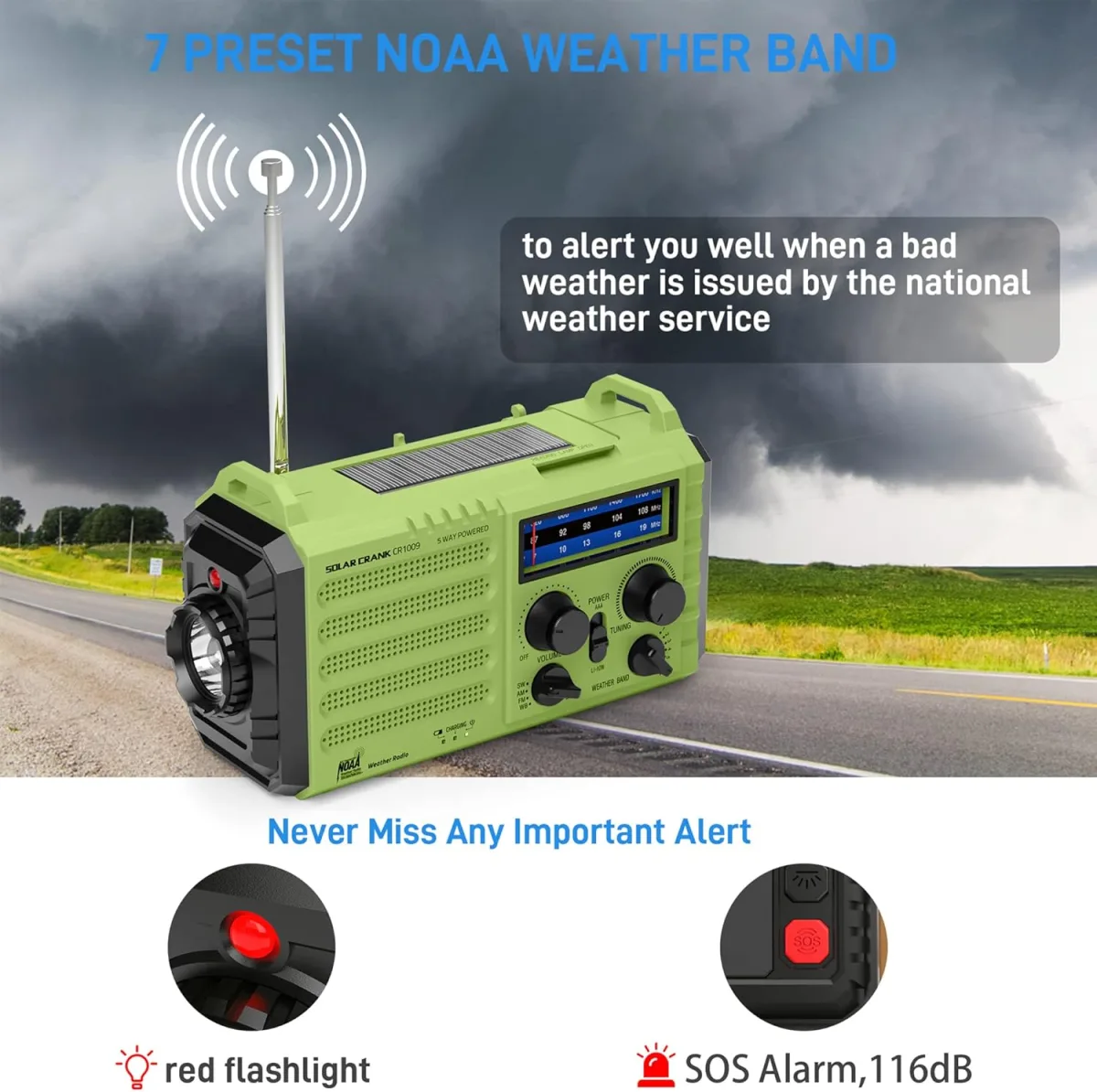
- NOAA Weather Band: This was my primary reason for buying it. I live in tornado alley, and local alerts are crucial. The NOAA band works! It picked up my local weather station clearly, even indoors. The alert function is loud enough to get your attention without being deafening. I haven't had a real-world emergency yet, but I've simulated some and it performed as expected.
- AM/FM/Shortwave Radio: AM and FM reception is pretty decent for a small radio. I picked up local stations easily. Shortwave is a bit trickier, as expected with most small, inexpensive radios. I managed to tune into a few international broadcasts with some patience, but don't expect crystal clear audio from across the globe. It's more of a "last resort for information" than a hobbyist shortwave radio.
- Power Sources: The Real Star of the Show
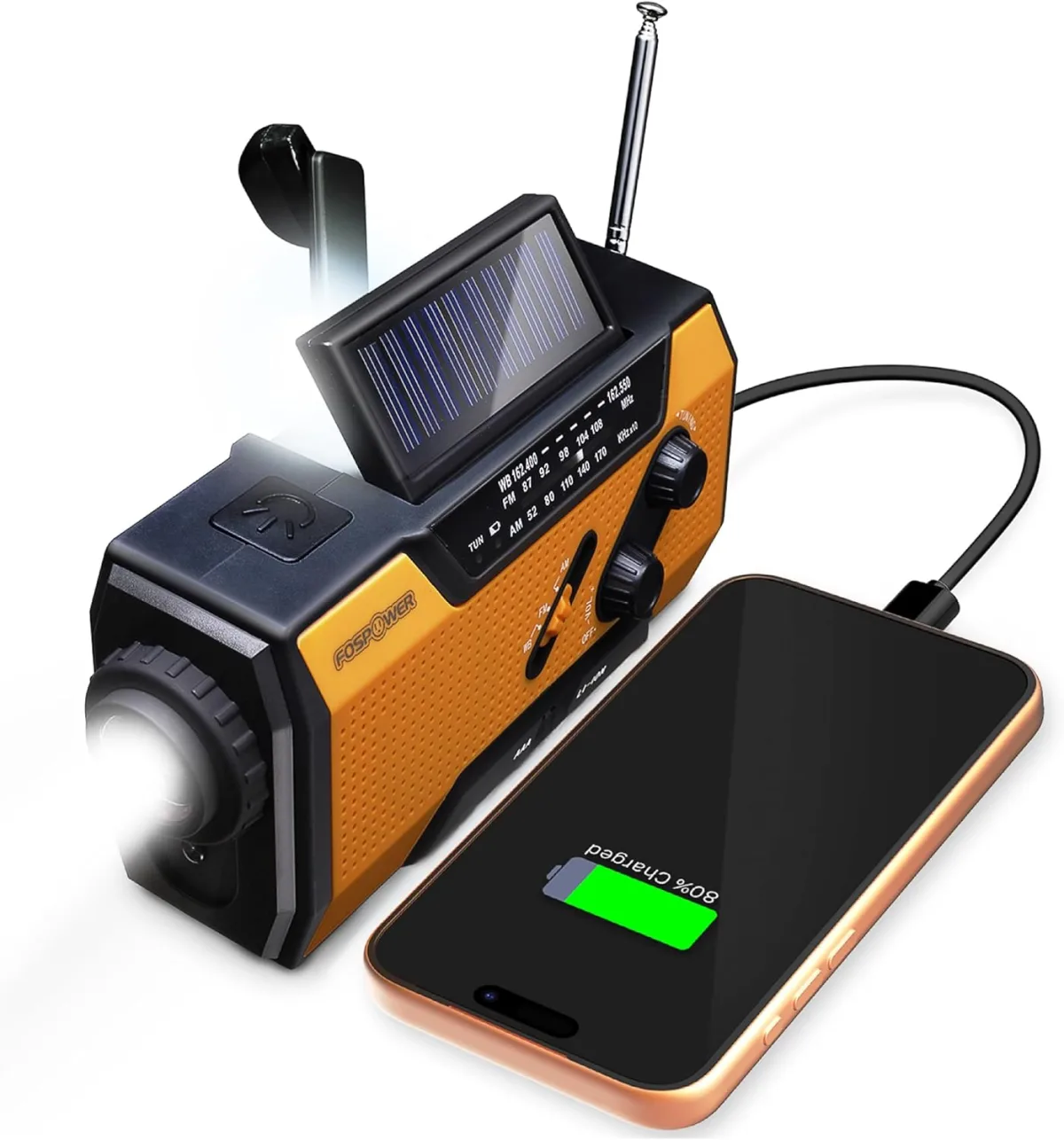
- Hand Crank: This is a lifesaver. I tried cranking it for about 5 minutes, and it provided a good 20-30 minutes of radio playtime or a decent burst of flashlight power. It's not effortless – you definitely feel like you're working for it – but it's totally manageable and ensures you're never completely without power.
- Solar Charger: This tiny panel on top is more for trickle charging and maintaining the battery than for a quick full charge. I left it on my windowsill for a sunny afternoon, and it did add a noticeable amount of juice, but slowly. Think of it as a supplemental charger to keep the battery topped off during a prolonged outage, not a primary charging method.
- USB Charging: This is how I usually top it off at home. It charges up fairly quickly via any standard USB port, and the internal battery holds a charge well. After a few weeks of sitting, it still had plenty of power.
- AAA Batteries: It also takes 3 AAA batteries, which is a fantastic backup. Having multiple power options is key in an emergency, and this radio nails it.
- LED Flashlight: Surprisingly bright for its size! It's not going to light up a football field, but it's more than adequate for navigating a dark house, finding things in a tent, or doing basic tasks in a power outage. I found myself using it quite a bit around the house when I didn't want to turn on all the lights.
- USB Charger for Phone: This feature is strictly for emergencies. It's a slow charge, more like a trickle, but it will give your phone enough juice for a quick call or text if it's completely dead. Don't expect to fully charge your smartphone from this, but getting those crucial few percentage points can be priceless.
- SOS Alert: It's a piercing, attention-grabbing siren paired with a flashing light. It's loud. Very loud. It’s certainly effective for signaling for help if you’re stranded or in distress.
- Earbud Jack: A small but important detail. Sometimes you need to listen privately, or just conserve battery by not using the speaker. It works as expected.
What I Loved (Pros)
- Redundant Power Sources: This is the radio's biggest strength. Hand crank, solar, USB, and AAA batteries – you're covered no matter what.
- Reliable NOAA Alerts: It does exactly what it promises, keeping you informed during critical weather events.
- Compact & Durable: Easy to pack, feels sturdy, and doesn't take up much space.
- Bright Flashlight: A genuinely useful feature that performs better than expected.
- Peace of Mind: Knowing I have a way to get information and a light source, even if the grid goes down, is invaluable.
What Could Be Better (Cons)
- Slow Solar Charging: Don't rely on the solar panel for rapid charging. It's a supplementary feature.
- Emergency-Only Phone Charger: It'll give you a bare minimum charge for a phone, but it’s not for daily use or even for significant phone charging.
- Shortwave Reception is Fickle: While present, it requires patience and good conditions to get clear reception. If you're a serious shortwave listener, you'll want a dedicated device.
- Speaker Quality: It's a small, mono speaker. It's clear enough for news and weather, but don't expect rich audio for music.
Overall, I'm genuinely impressed with this little radio. It’s not perfect, but for its intended purpose – emergency preparedness – it hits all the right notes. It's a tool that earns its spot in my emergency kit. If you're on the fence, I recommend you grab it on Amazon and see for yourself.
Who Should Buy This
- Preppers and Survivalists: This is a no-brainer for your bug-out bag or home emergency kit.
- Campers and Hikers: Get weather updates and light when you're off-grid.
- Residents in Storm-Prone Areas: A must-have for hurricane, tornado, or blizzard seasons.
- Anyone Seeking Peace of Mind: If you want a reliable way to stay informed and powered during outages, this is it.
Who Should Skip It
- Audiophiles: If sound quality is your top priority for radio listening, this isn't for you.
- People Expecting Fast Phone Charging: This is a slow, emergency-only phone charger.
- Serious Shortwave Hobbyists: While it has shortwave, a dedicated shortwave receiver will offer a much better experience.
For what it is – a multi-functional emergency radio – it’s an excellent value. It performs reliably where it matters most, and the various power options truly set it apart. I can confidently say it's earned its permanent spot next to my other emergency gear. For its price point and the features it packs, it's a solid investment in preparedness. You can pick one up here if you're looking to bolster your emergency supplies.